

Greener Living Starts with Biophilic Design
Foundations of a Living, Breathing Home
Why Nature Indoors Works
Decades of environmental psychology point to measurable gains when natural cues surround us: lower blood pressure, steadier heart rate variability, faster recovery from mental fatigue, and improved task performance. Post-occupancy studies echo the lab, while lived stories remind us that a sun-washed table, textured wood, or glimpsed greenery can quietly reset mood, attention, and patience on difficult days.
Core Patterns to Guide Decisions
Use proven patterns as a compass: visual connection with nature, non-visual stimuli, material connection, complexity and order, prospect and refuge, mystery, and even gentle risk. These ideas become everyday moves—placing a chair toward a view, choosing tactile finishes, inviting soft airflow, layering light and shadow—so choices build coherence across rooms, budgets, and seasons rather than scatter into isolated gestures.
Common Pitfalls to Avoid
Beware plastic plants masquerading as vitality, overwatering that breeds gnats, perfumed products that irritate lungs, and token gestures that ignore light, acoustics, and layout. Skip trend-chasing palettes if materials off-gas. Start with airflow and daylight, then add texture, greenery, and rituals. Honest sequencing prevents costly mistakes and reduces the chance of mold, clutter, or unmaintainable installations.
Light, Air, and Daily Rhythms
Daylight That Supports Circadian Health
Target generous morning illuminance near frequent-use zones, then temper intensity by midday to reduce squinting and fatigue. Combine reflective ceilings, light-colored sills, and adjustable shear curtains to spread brightness while controlling contrast. Where windows are limited, use high-CRI, tunable fixtures that prioritize melanopic lux in mornings and soften warmly at dusk to cue rest and renewal.
Breathable Rooms with Smart Ventilation
Design cross-breezes by pairing operable windows on opposite walls, add door undercuts, and deploy fans to support the stack effect during shoulder seasons. In heavier pollution, seal wisely and filter to MERV‑13 or better. Track CO2, PM2.5, and humidity; aim below 800 ppm and between forty and sixty percent to maintain clarity, comfort, and material stability.
Glare, Heat, and Acoustic Ease
Harsh brightness, summertime gain, and echoey rooms quietly erode wellbeing. Mix exterior shading, thermal curtains, and low‑SHGC glazing where feasible. Inside, layer rugs, felt, and bookshelves to soften reflections, and consider water or soft nature audio to mask city noise. Balance is the goal: energizing days, restful evenings, and intimate conversations without strain.
Choosing Healthy, Low-Impact Finishes

Textures That Invite Touch

Color Palettes Inspired by Biomes
Plants, Soil, and Everyday Care
Selecting Species for Each Microclimate
Map light with a phone app or paper notes. Place snake plant and ZZ in low corners, pothos and philodendron in medium zones, and sun-hungry herbs near bright sills. For humidity, consider ferns, calatheas, or peperomia grouped together. Choose resilient natives when possible and avoid invasive species; your windowsill can still nurture pollinator-friendly blooms seasonally.
Containers, Substrates, and Watering Rhythms
Use pots with drainage and saucers, preferring breathable terracotta for roots that dislike constant moisture. Blend substrates—bark, perlite, compost—to balance aeration and nutrients. Water deeply, then wait for partial drying, adjusting with seasons. Self‑watering inserts help busy weeks, but monitor salts. Wipe leaves to improve photosynthesis, and rotate plants so growth stays balanced toward light sources.
From Windowsill to Edible Corner
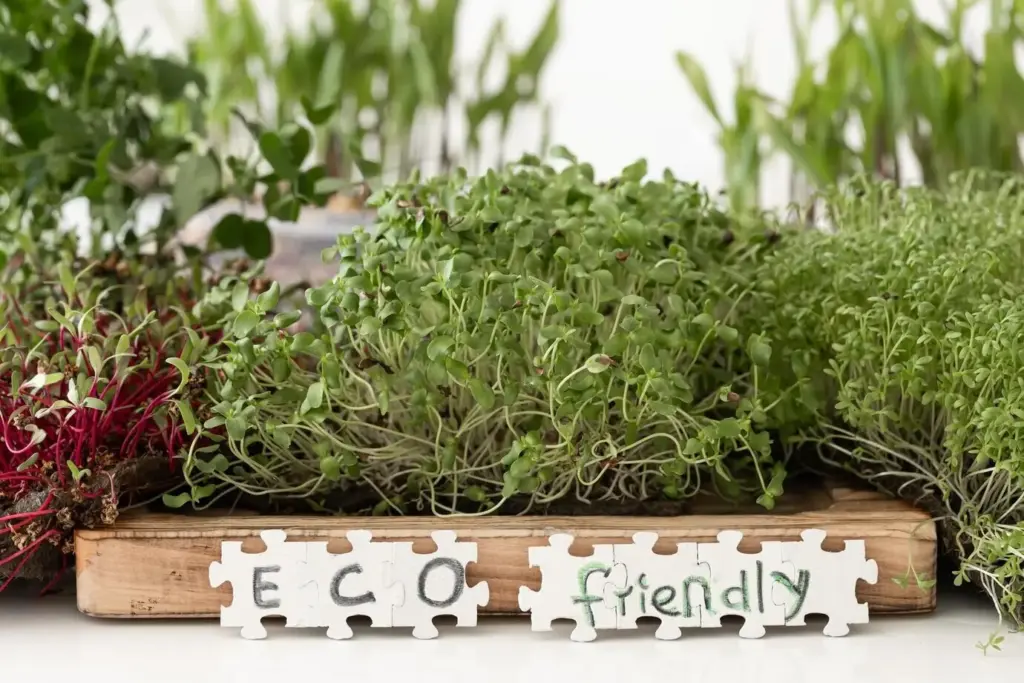
Grow basil, mint, and chives near bright kitchens, then add microgreens under a small LED strip for rapid, nutritious harvests. Try dwarf tomatoes on balconies with sturdy trellises and consistent watering. Compost coffee grounds sparingly, and welcome worm bins if allowed. Eating from a few pots reframes waste, seasons, and care as delicious, everyday lessons shared with friends.
Water, Sound, and Sensory Coherence
Designing Small, Safe Water Elements
Soundscapes That Calm Without Distracting
Scent, Air Quality, and Subtle Signals

Prospect, Refuge, and Cozy Outlooks